
Gum Boil: What That Pimple-Like Bump on Your Gums Is Telling You
You are brushing your teeth one morning and notice a small bump on your gum. It looks a bit like a pimple. Maybe it is tender, maybe it is not. Maybe you also noticed a strange salty or bitter taste in your mouth. If this sounds familiar, you are most likely looking at a gum boil.
Gum boils are common, and they are almost never a problem that goes away on its own. Here is what they are, why they show up, and what to do about one.
What Is a Gum Boil?
A gum boil, sometimes called a dental abscess with a draining sinus, is a small bump that forms on the gum when an infection inside or around a tooth builds up pressure and finds a way out. Think of it as your body’s pressure valve. The bump is the exit point, and the fluid that drains from it is pus.
The boil itself is not the real problem. It is a sign that an infection is hiding somewhere underneath, usually near the root of a tooth or deep in the gum pocket beside it.
Why Do Gum Boils Form?
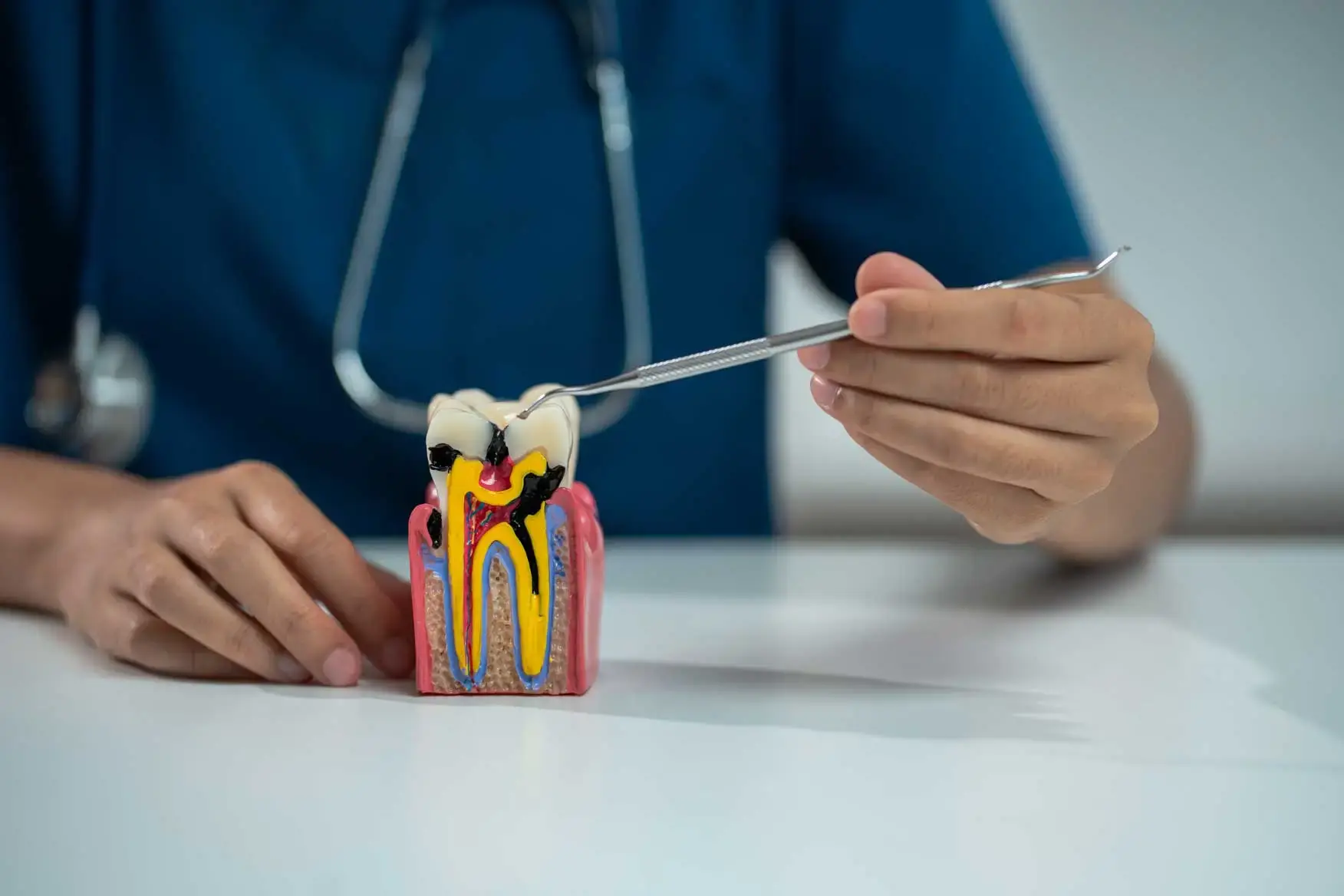
The most common cause is an untreated cavity. When decay reaches the inner part of the tooth, bacteria can invade the nerve and spread to the root tip. The infection then needs somewhere to go, and the gum becomes that escape route.
Gum disease is another frequent cause. When the gums pull away from the teeth, deep pockets form where bacteria collect and multiply. A cracked or chipped tooth can also let bacteria slip inside. Some people develop boils around teeth that have had a root canal in the past, especially if the original treatment did not fully clear the infection. A blow to the mouth that damaged a tooth years ago can also quietly cause trouble later.
Signs to Watch For
A gum boil often looks like a small, round bump that can be white, yellow, red, or the same color as your gum. You might also notice a bad taste or smell in your mouth, tenderness when you chew, a tooth that feels loose or sensitive to hot and cold, or mild swelling around the area.
Here is the part that catches many people off guard. Once the boil drains, the pain often eases or disappears completely. That feels like healing, but it is not. The infection is still there. The bump may shrink, then return weeks or months later, and the infection can keep spreading in the meantime.
What You Should Not Do
Please do not squeeze, pop, or poke the boil. It is tempting, but it can push bacteria deeper into the tissue, make the infection worse, and leave you with more pain. Also avoid putting aspirin or any other tablet directly on the gum, since this can burn the tissue.
What You Can Do for Comfort
While you arrange proper care, a warm saltwater rinse can help you feel more comfortable. Mix half a teaspoon of salt into a glass of warm water and swish gently a few times a day. Keep up your normal brushing and flossing, but be gentle around the area. Over the counter pain relievers can help with discomfort if they are safe for you to take. These steps only ease symptoms. They do not treat the cause.
How Dentists Treat a Gum Boil
Treatment depends on what is causing the infection. If the tooth can be saved, a root canal cleans out the infected nerve tissue and seals the tooth. If gum disease is the cause, a deep cleaning can remove bacteria from below the gumline. When a tooth is too damaged to repair, removal may be the best option. In some cases a dentist will also prescribe antibiotics, but antibiotics alone are rarely enough, because the source of the infection still needs to be dealt with.
Where Teledentistry Fits In
Many people put off dental problems because the bump does not hurt much, the dentist is booked for weeks, or it is the weekend. This is where teledentistry can really help.
With a virtual dental visit, you can show a licensed dentist the bump by video or photos, describe your symptoms, and get guidance the same day, even in the evening or on a weekend. The dentist can look at what you are seeing, ask the right questions, and help you understand how urgent it is. They can tell you whether it needs a prompt in person visit, recommend the right type of care, and in appropriate cases prescribe medication to help manage the infection until you can be treated in a dental office.
It is worth being clear about what teledentistry cannot do. A virtual visit cannot drain an abscess, perform a root canal, or remove a tooth. Those procedures need to happen in a dental office. What teledentistry does well is get you answers fast, take away the guesswork, and point you to the right next step so a small problem does not become a serious one. For anyone who is unsure, anxious, or simply cannot get an appointment quickly, that first conversation can make a real difference.
At Teledentistry.com, patients across the United States can connect with a dentist at any hour, any day, which means a gum boil you notice at midnight does not have to wait until Monday for a professional opinion.
When to Seek Emergency Care Right Away
Some symptoms mean you should not wait. Go to an emergency room or call emergency services if you have swelling in your face, jaw, or neck, difficulty swallowing or breathing, swelling that affects your eye, a high fever, or a rapid heartbeat. A dental infection that spreads can become dangerous, and these signs mean it may be doing exactly that.
Can You Prevent a Gum Boil?
In most cases, yes. Brush twice a day with fluoride toothpaste, clean between your teeth daily, and see a dentist regularly so small cavities and early gum disease are caught before they turn into infections. If a tooth ever feels sensitive, cracked, or sore, get it looked at early. Dental problems rarely fix themselves, and they are almost always cheaper and easier to treat when they are small.
The Bottom Line
A gum boil is your body’s way of saying something is wrong beneath the surface. Even if it does not hurt, even if it seems to go away, it deserves attention. Do not squeeze it, do not ignore it, and do not wait for it to get worse. A quick virtual consultation can help you understand what is going on and what to do next, and a dentist can then treat the cause properly.
This article is for general education and is not a substitute for professional dental advice, diagnosis, or treatment. If you think you have a dental infection, please speak with a licensed dentist.
Frequently Asked Questions
What is a gum boil?
A gum boil is a small, pimple-like bump on the gum. It forms when an infection inside or around a tooth builds up pressure and drains out through the gum. The bump is the exit point for pus, and it signals that an infection is hiding underneath.
Is a gum boil serious?
Yes, it should be taken seriously. Even if it does not hurt, a gum boil means there is an active dental infection. Left untreated, the infection can damage the surrounding bone and, in some cases, spread to other parts of the face and neck.
Can a gum boil go away on its own?
The bump may shrink or seem to disappear after it drains, but the infection underneath usually remains. This is why gum boils often come back weeks or months later. A dentist needs to treat the source of the infection.
Should I pop or squeeze a gum boil?
No. Squeezing or poking it can push bacteria deeper into the gum and bone, make the infection worse, and increase pain. Let a dental professional manage it.
What causes a gum boil?
The most common cause is an untreated cavity that has reached the nerve of the tooth. Gum disease, a cracked or chipped tooth, an old injury to a tooth, and a root canal that did not fully clear the infection can also cause one.
How is a gum boil treated?
Treatment depends on the cause. A root canal can save an infected tooth, a deep cleaning can treat gum disease, and a badly damaged tooth may need to be removed. Antibiotics may be prescribed in some cases, but they rarely solve the problem on their own.
Can teledentistry help with a gum boil?
Yes. A virtual visit lets a licensed dentist look at the bump, review your symptoms, and tell you how urgent it is, often the same day and outside normal office hours. They can guide you on next steps and, when appropriate, prescribe medication to help manage the infection. A virtual visit cannot drain an abscess, perform a root canal, or remove a tooth, so you will still need an in-person dental visit for treatment.
When is a gum boil an emergency?
Go to an emergency room or call emergency services if you have swelling in your face, jaw, or neck, trouble swallowing or breathing, swelling near your eye, a high fever, or a rapid heartbeat. These can be signs that the infection is spreading.
How can I prevent a gum boil?
Brush twice a day with fluoride toothpaste, clean between your teeth daily, and see a dentist regularly. Get any sensitive, cracked, or sore tooth checked early, before a small problem becomes an infection.
You May Also Like
These Related Stories

Can Dental Problems Affect Your Sleep? What Your Mouth Might Be Telling You at Night
Root Canal Therapy: Procedure, Recovery, and Benefits