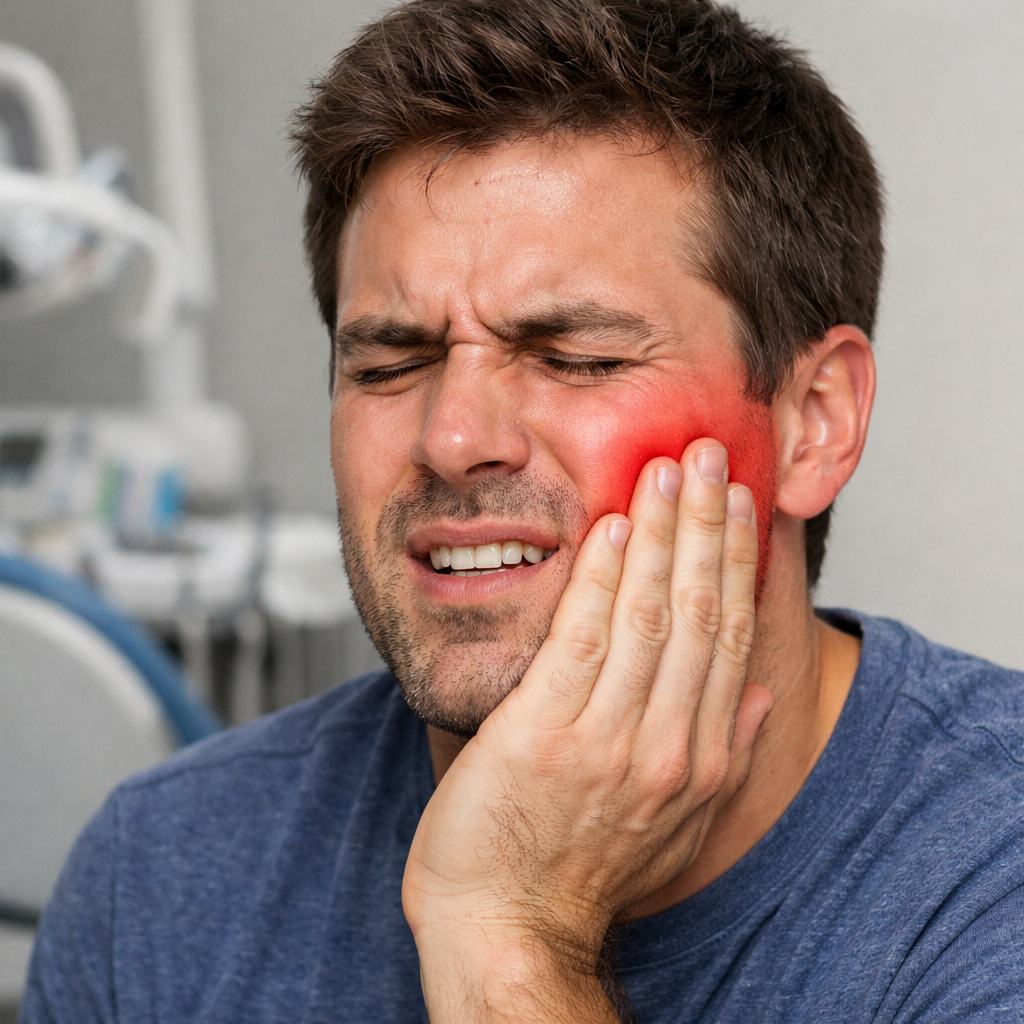
If you’re waking up tired, clenching your jaw, or noticing new tooth sensitivity in the morning, your mouth may be trying to tell you something. Many people don’t realize that dental problems and sleep issues are closely connected — and that early signs often show up long before pain does.
The good news: with today’s technology, you can spot many of these issues simply by sharing photos with a licensed dentist online. Here’s what to look for, what it might mean, and how virtual dental care can help you get answers fast.
How Dental Problems Can Disrupt Your Sleep
Your teeth, gums, and jaw play a bigger role in sleep quality than most people realize. Common dental‑related sleep issues include:
1. Teeth Grinding (Bruxism)
Grinding often happens during sleep and can lead to:
- Jaw soreness
- Morning headaches
- Worn or chipped teeth
- Interrupted sleep
Dentists can often identify grinding damage from photos — even if you don’t know you’re doing it.
2. Dry Mouth at Night
Dry mouth can make it harder to sleep comfortably and increase your risk of cavities and gum disease. Photos can reveal:
- Red, irritated gums
- Plaque buildup
- Early decay
3. Gum Inflammation
Swollen or bleeding gums can cause discomfort that makes it harder to fall or stay asleep. These signs are easy to spot in uploaded images.
4. Bite or Jaw Alignment Issues
Misalignment can strain your jaw muscles and contribute to nighttime clenching. Dentists can see these patterns in photos.
5. Sleep Apnea Indicators
While sleep apnea itself cannot be diagnosed from photos, dentists can identify:
- Worn teeth
- Scalloped tongue edges
- Narrow airway indicators
If these signs appear, a dentist can guide you toward the right next steps.
Can Dentists Really Spot These Issues From Photos?
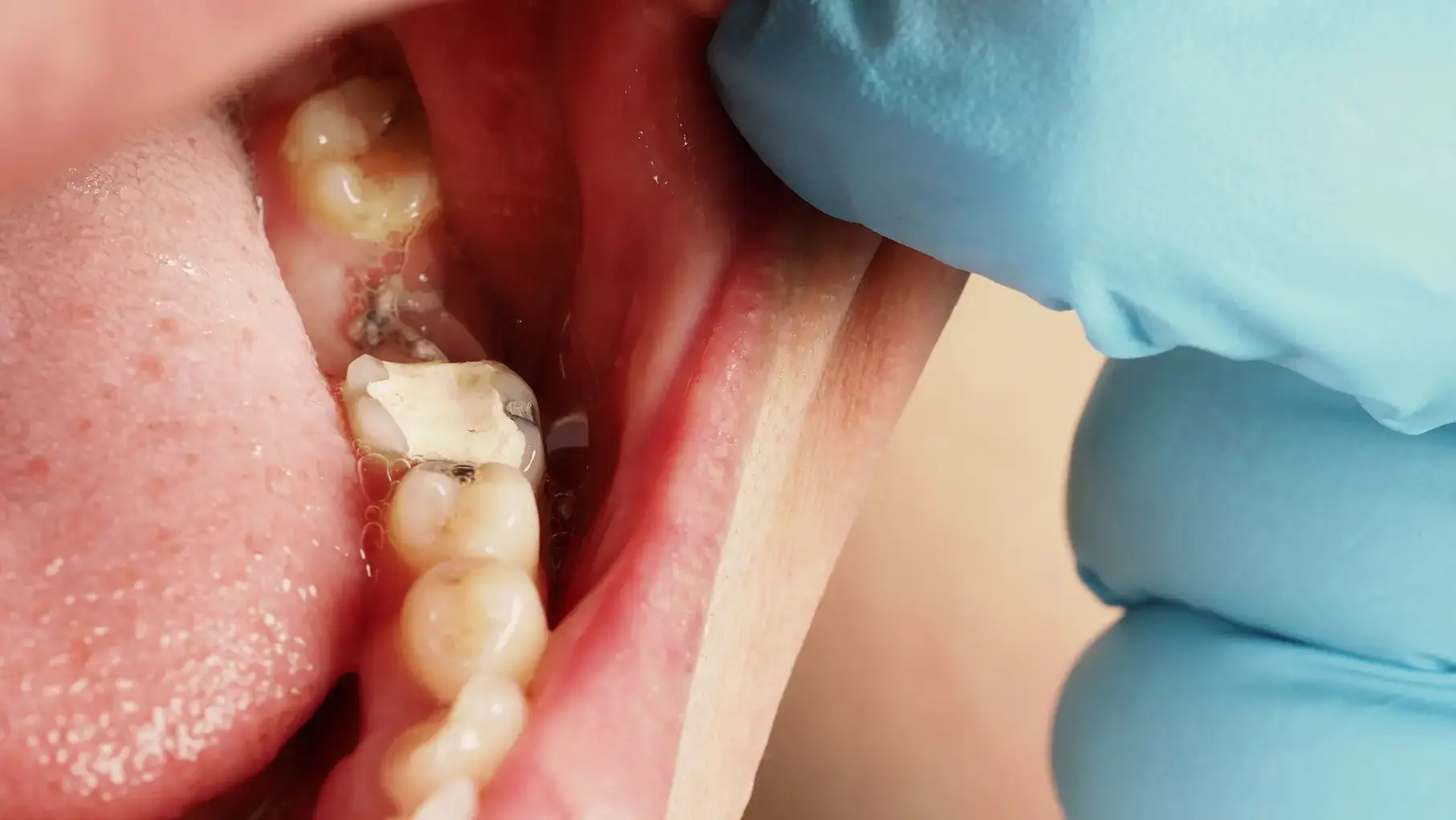
Yes, many sleep‑related dental concerns leave visible clues. When you upload photos during a virtual visit, a dentist can evaluate:
- Tooth wear
- Gum health
- Bite alignment
- Signs of clenching or grinding
- Early cavities
- Inflammation
Some conditions (like TMJ pain or sleep apnea) require further evaluation, but photos are an excellent first step for screening and guidance.
Quick Symptom‑Checker: What Might Be Affecting Your Sleep?
Use this simple guide to understand what your symptoms may point to:
1. Are your teeth chipped, worn, or flattened?
Likely teeth grinding.
2. Do you wake up with a dry mouth or sore throat?
Possible mouth breathing, dry mouth, or sleep apnea–related dryness.
3. Are your gums red, swollen, or bleeding?
Possible gum inflammation or early gum disease.
4. Do you have jaw pain or clicking?
Possible TMJ disorder (photos show indirect clues).
5. Do you snore, gasp, or feel tired during the day?
Possible sleep apnea — a dentist can identify risk indicators.
If none of these fit, a dentist can still review your photos for subtle signs you may not notice.
Why Virtual Dental Visits Are a Smart First Step
Teledentistry.com gives you 24/7 access to licensed dentists who can review your photos and help you understand what’s happening — anytime, anywhere.
With a virtual visit, you can:
- Get answers fast
- Catch early signs of dental problems
- Understand whether your sleep issues may be dental‑related
- Receive guidance on next steps
- Avoid unnecessary ER or urgent care visits
You don’t have to wait for an appointment to get peace of mind.
Better Sleep Starts With Better Oral Health
If you’re noticing changes in your sleep, jaw, or teeth, a virtual dental visit can help you get clarity quickly. Upload your photos, describe your symptoms, and a licensed dentist will review everything and guide you toward relief.
Your mouth may be the key to better sleep — and Teledentistry.com is here to help you unlock it.