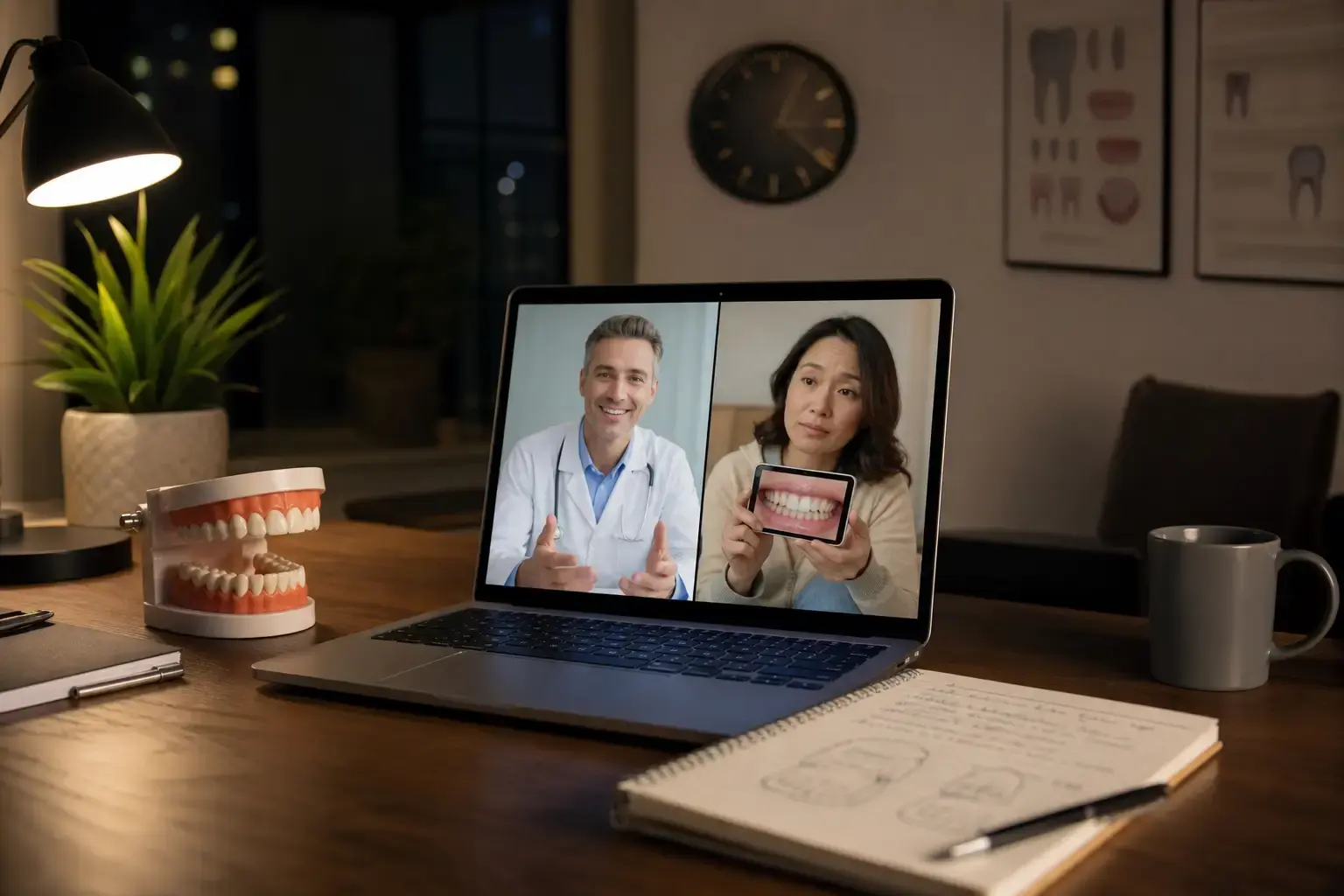
How to Use Virtual Dental Care for Dental Emergencies
Key Takeaways: How to Use Virtual Dental Care for Dental Emergencies
- Virtual dental care connects you with licensed dentists 24/7 to assess symptoms, determine urgency, and guide your next steps from home.
- Teledentistry helps you avoid unnecessary emergency room visits, which often result in temporary relief rather than definitive dental treatment.
- Teledentistry.com gives you access to state-licensed dentists who can prescribe medications, offer triage guidance, and refer you for follow-up care.
- Knowing which symptoms require immediate attention versus home management can save you time, money, and unnecessary stress.
- Virtual triage is clinically effective for most non-traumatic dental emergencies, including toothaches, abscesses, and broken restorations.
What Is Virtual Dental Emergency Triage?
Virtual dental emergency triage is a process where you connect with a licensed dentist through secure technology to assess your symptoms remotely. Instead of driving to an emergency room or urgent care clinic, you describe your pain, show affected areas via live call, and receive professional guidance on what to do next.
This approach relies on teledentistry, a field that uses telecommunications to deliver dental consultations, assessments, and follow-up care. The dentist evaluates your condition, determines whether it qualifies as an emergency, and recommends appropriate treatment—all without requiring you to leave your home.
Virtual triage works especially well for non-traumatic dental issues like toothaches, infections, swelling, and broken fillings. It allows dentists to distinguish between conditions that need same-day attention and those that can wait for a scheduled appointment.
How Virtual Triage Differs from Emergency Room Care
Emergency rooms are designed for life-threatening medical crises. They typically lack dental specialists, diagnostic equipment for oral conditions, and the ability to perform procedures like extractions or root canals.
According to the American Dental Association, more than 2 million Americans visit hospital emergency departments each year for dental pain. Most leave with only temporary solutions—pain relievers or antibiotics—without addressing the underlying problem.
Virtual dental triage connects you directly with a dentist who can evaluate your specific condition. This means you receive guidance tailored to oral health rather than general emergency medicine.
Why Millions of Americans End Up in the ER for Dental Problems
The numbers are staggering. Research published by the Agency for Healthcare Research and Quality found that in 2018 alone, there were more than 2 million dental-related emergency department visits in the United States.
These visits cost the healthcare system over $2 billion annually. Yet nearly 95% of patients were treated and released without receiving definitive dental care. Most walked away with prescriptions for pain medication but no resolution of their underlying condition.
Common Reasons for ER Visits
People turn to emergency rooms for dental issues for several reasons. Many do not have a regular dentist or cannot access one quickly. Others experience severe pain outside normal business hours and feel they have no alternative.
The most frequent dental conditions seen in emergency departments include diseases of the pulp and periapical tissues (such as abscesses), loss of teeth and similar disorders, and dental caries. These conditions accounted for 93% of treat-and-release dental visits according to federal health data.
Data also reveals that populations without dental insurance or those enrolled in Medicaid visit emergency rooms for dental care at higher rates. A 2017 study in Alberta, Canada, found that pulp-related conditions like periapical abscesses represented 45% of all dental ER visits.
The Limitations of Emergency Room Dental Care
Fewer than 8% of U.S. hospitals employ a dentist or operate an in-house dental clinic, according to data reported in Emergency Physicians Monthly. This means emergency physicians must manage oral pain without dental training or specialized equipment.
The result is a cycle of incomplete care. Patients receive temporary symptom management and are told to follow up with a dentist—a step that many, especially those with limited resources, never complete. This leads to repeat visits and escalating health complications.
How Teledentistry Works for Emergency Situations
Teledentistry uses live communication and secure technology to connect you with a dentist in real time. You can describe symptoms, share images of affected areas, and receive clinical assessments—all from wherever you happen to be.
The process typically begins with an intake that captures your medical and dental history. You then connect with a licensed dentist who asks targeted questions about your pain, swelling, or other symptoms. Based on this information, the dentist determines the nature and urgency of your condition.
At Teledentistry. com, we connect you to one of our emergency dentists in minutes to get you the care that you need.
What Happens During a Virtual Dental Consultation
During the consultation, expect the dentist to ask when symptoms started, what makes them better or worse, and whether you have experienced similar issues before. You may be asked to show the affected area using your phone or computer camera.
The dentist will assess whether your condition requires immediate treatment, can be managed at home temporarily, or needs follow-up with a local provider. If appropriate, they can prescribe antibiotics or pain management medication directly to your pharmacy.
Teledentistry.com connects you with state-licensed dentists available around the clock. This means you can receive guidance at 2 a.m. on a Saturday just as easily as during weekday business hours.
Types of Dental Emergencies Suited for Virtual Care
Not every dental emergency requires hands-on treatment immediately. Many urgent dental concerns can be effectively triaged through virtual consultations. Understanding which situations benefit most from teledentistry helps you make informed decisions about your care.
Virtual dental triage works well for toothaches and sensitivity, suspected infections or abscesses, broken or lost fillings and crowns, gum pain or bleeding, minor chips or cracks, and post-procedure concerns. These conditions benefit from professional assessment to determine next steps.
Certain situations do require immediate physical examination. Severe facial trauma, uncontrolled bleeding, or difficulty breathing should prompt a visit to the nearest emergency facility without delay.
Step-by-Step Guide to Using Virtual Dental Care for Emergencies
When dental pain strikes unexpectedly, knowing exactly what to do can reduce anxiety and lead to faster relief. Follow these steps to make the most of virtual dental emergency triage.
Step 1: Assess Your Symptoms
Before connecting with a dentist, take a moment to evaluate what you are experiencing. Note the location of pain, its intensity on a scale of 1 to 10, and any visible changes like swelling, discoloration, or pus.
Consider what triggered the issue. Did the pain start suddenly or build over time? Does eating, drinking, or touching the area make it worse? This information helps the dentist understand your situation quickly.
Step 2: Document the Affected Area
If possible, take clear photos of your teeth, gums, or any visible problem areas. Good lighting and a steady hand help capture details the dentist needs to see. Photos of swelling on your face or jaw can also be helpful.
Having images ready before your consultation saves time and allows the dentist to evaluate your condition more thoroughly.
Step 3: Connect with a Licensed Dentist
Access a teledentistry platform that offers 24/7 consultations with licensed professionals. Teledentistry.com lets you connect with state-licensed dentists via secure live calls at any hour. You can call directly or start a consultation online.
During the call, describe your symptoms clearly and share any photos you prepared. Answer the dentist's questions honestly, including information about medications you take or health conditions you have.
Step 4: Receive Your Triage Recommendation
Based on your symptoms and visual examination, the dentist will classify your condition. You will learn whether your issue requires urgent treatment today, can wait for a scheduled appointment, or can be managed at home with specific instructions.
If medication is needed, the dentist can send a prescription directly to your local pharmacy. You may receive guidance on home care measures to manage pain or prevent the condition from worsening.
Step 5: Follow Up as Recommended
Virtual triage often identifies the need for follow-up care with a dentist who can perform hands-on treatment. This might mean scheduling an extraction, filling, or other procedure within a few days.
Acting on the triage recommendation promptly helps prevent minor issues from becoming major problems. It also ensures you receive complete care rather than temporary symptom management.
Common Dental Emergencies and How Virtual Care Addresses Each
Different dental emergencies call for different responses. Understanding how virtual care handles specific conditions helps you know what to expect.
Severe Toothache
A toothache can range from mild discomfort to debilitating pain. Through virtual consultation, a dentist determines whether the pain likely stems from decay, infection, or another cause. They recommend appropriate pain management and advise whether you need same-day treatment.
You may receive a prescription for antibiotics if infection is suspected. The dentist will also explain home care techniques like saltwater rinses or cold compresses to reduce discomfort.
Dental Abscess or Infection
Abscesses represent bacterial infections that can spread if untreated. Symptoms include throbbing pain, swelling, fever, and a bad taste in the mouth. Virtual triage allows rapid assessment of infection severity.
A licensed dentist evaluates whether antibiotics can control the infection while you arrange follow-up care. They also watch for warning signs that indicate the infection requires immediate in-person treatment.
Broken or Chipped Tooth
A broken tooth can cause sharp pain, sensitivity, and concern about further damage. During a virtual visit, the dentist assesses the extent of the break based on your description and photos.
Minor chips may only require smoothing during a future appointment. Larger breaks that expose nerves or cause significant pain may need urgent attention. The dentist guides you on protecting the tooth until you can see a provider.
Lost Filling or Crown
When a filling falls out or a crown comes loose, the exposed tooth can become sensitive and vulnerable to further damage. Virtual consultation helps you understand how to care for the area temporarily.
The dentist may recommend over-the-counter dental cement to protect the tooth until you can have the restoration replaced. They also determine how quickly you need to see someone for permanent repair.
Bleeding Gums or Soft Tissue Injury
Gum bleeding can result from minor irritation or indicate more serious periodontal issues. Virtual assessment helps identify the cause and appropriate response.
For soft tissue injuries like a bitten tongue or cheek, the dentist evaluates whether the wound can heal on its own or needs professional attention. They advise on cleaning the area and managing discomfort.
How Virtual Dental Care Helps You Avoid Unnecessary ER Visits
The emergency room should be reserved for true medical emergencies. Virtual dental care creates an alternative pathway for oral health crises that diverts appropriate cases away from overburdened emergency departments.
Clinical Effectiveness of Teledentistry Triage
Research supports the clinical effectiveness of virtual dental triage. A review published in the International Journal of Environmental Research and Public Health found that teledentistry successfully triaged dental emergencies and screened patients for appropriate care during the COVID-19 pandemic across multiple Canadian provinces.
The same technology that proved essential during public health restrictions continues to serve patients who need quick access to dental guidance without the drawbacks of ER visits.
Cost Savings for Patients
Emergency department visits for dental problems average around $749 per visit, according to ADA data. That cost covers symptom management without treating the underlying condition.
Virtual dental consultations typically cost a fraction of that amount while connecting you with a specialist who can actually address oral health issues. You also save on transportation, parking, and time spent in waiting areas.
Better Health Outcomes
When you receive guidance from a dentist rather than an emergency physician, you get care tailored to your condition. This means more accurate triage, appropriate prescriptions, and clear next steps for definitive treatment.
Virtual triage reduces the cycle of repeat ER visits by connecting patients with dental resources. Instead of returning to the emergency room when symptoms flare again, you have a care plan that addresses the root cause.
Who Benefits Most from Virtual Dental Emergency Triage?
While virtual dental care serves anyone experiencing oral health concerns, certain groups find it especially valuable.
Patients in Rural or Underserved Areas
Access to dental care remains limited in many rural communities. The ADA reports that rural emergency rooms handle more than 80,000 visits annually for non-traumatic dental complaints. Many rural residents live hours from the nearest dental provider.
Virtual consultations bridge this geographic gap. Patients can connect with licensed dentists regardless of their location, receiving professional guidance that would otherwise require lengthy travel.
People Without Dental Insurance
Uninsured patients often delay dental care until pain becomes unbearable. When they finally seek help, the emergency room may seem like the only option. This leads to expensive visits that address symptoms without solving problems.
Teledentistry offers an accessible entry point. Virtual consultations can help uninsured patients understand their options, receive prescriptions when appropriate, and find affordable follow-up care.
Busy Professionals and Parents
Scheduling dental appointments during business hours can be challenging when you have demanding work or family responsibilities. Dental emergencies do not wait for convenient times.
Virtual care fits into your schedule. You can consult with a dentist during a lunch break, after the kids go to bed, or while traveling for work. This flexibility ensures you can address urgent concerns promptly.
Patients with Mobility Limitations
For individuals with disabilities or limited mobility, traveling to an emergency room or dental office presents significant challenges. Virtual consultations remove these barriers entirely.
You can receive professional dental assessment from the comfort of your home using a smartphone, tablet, or computer. This accessibility makes timely care possible for those who might otherwise delay treatment.
What Virtual Dentists Can and Cannot Do
Understanding the scope of virtual dental care helps you set appropriate expectations.
What Licensed Teledentists Can Do
Licensed dentists conducting virtual consultations can assess your symptoms, review your dental and medical history, and make clinical recommendations based on available information. They can prescribe medications including antibiotics for infections and appropriate pain management.
Virtual dentists can triage your condition to determine urgency and advise on home care measures. They can also refer you to local providers for follow-up procedures and coordinate care across your dental team.
Limitations of Virtual Dental Care
Virtual consultations cannot replace hands-on examination, X-rays, or dental procedures. Dentists cannot extract teeth, fill cavities, perform root canals, or drain abscesses remotely.
Some conditions require in-person evaluation to diagnose accurately. Virtual dentists recognize these limitations and refer patients appropriately when physical examination is necessary.
Teledentistry works best as the first step in a care pathway. It helps you understand your condition, receive immediate guidance, and plan for any follow-up treatment you may need.
How to Prepare for a Virtual Dental Emergency Consultation
A little preparation makes your virtual consultation more productive and efficient.
Gather Your Health Information
Have a list of current medications ready, including over-the-counter products and supplements. Note any allergies, especially to medications like penicillin or pain relievers.
If you have chronic health conditions like diabetes or heart disease, mention these during your consultation. Certain conditions can affect dental health and treatment options.
Prepare Visual Documentation
Take clear photos of the problem area before your consultation. Use good lighting and try to capture multiple angles. If you have visible swelling, photograph that as well.
Having these images ready allows the dentist to assess your condition more thoroughly even before the live call begins.
Choose a Quiet, Well-Lit Space
Find a location where you can speak privately and without interruptions. Good lighting helps if the dentist asks to see inside your mouth during a live call.
Test your device's camera and microphone beforehand to avoid technical difficulties during the consultation.
Write Down Your Questions
You may have concerns about what to expect, how to manage pain, or when to seek additional care. Writing these down ensures you do not forget to ask during the consultation.
When to Seek Immediate In-Person Emergency Care
While virtual dental care handles many urgent situations effectively, some conditions require immediate hands-on treatment.
Signs That Require Emergency Room Care
Seek immediate in-person care if you experience difficulty breathing or swallowing, severe facial trauma or jaw fractures, uncontrolled bleeding that does not stop with pressure, or high fever combined with facial swelling that spreads to your eye or neck.
These symptoms can indicate potentially life-threatening complications that need emergency medical intervention beyond what any dental consultation can address.
Signs That Need Urgent Dental Care But Not the ER
Moderate swelling, significant pain, and signs of infection typically warrant urgent dental attention but not emergency room care. A virtual consultation helps you determine whether same-day dental treatment is necessary.
The dentist can assess your condition, prescribe medications to manage symptoms temporarily, and help you locate urgent dental care in your area.
The Future of Virtual Dental Emergency Care
Teledentistry continues to evolve as technology advances and healthcare systems recognize its value.
Growing Acceptance Among Insurers
Major insurance providers increasingly cover virtual dental consultations. Medicaid programs in many states have expanded teledentistry coverage, and private insurers are following suit.
This trend makes virtual dental care more accessible to a broader population, reducing financial barriers that once limited adoption.
Integration with Traditional Dental Care
Virtual triage is becoming a standard part of the dental care continuum. Many practices now offer teledentistry as a first point of contact for urgent concerns, reserving chair time for procedures that require hands-on treatment.
This integration improves efficiency for both patients and providers while ensuring appropriate care at every stage.
Technology Improvements
Advances in smartphone cameras, secure communication platforms, and electronic health records continue to enhance virtual dental consultations. Better image quality allows for more accurate remote assessment, while improved record-keeping supports coordinated care.
How to Get Started with Virtual Dental Care Today
If you are experiencing dental discomfort or want to be prepared for future emergencies, virtual dental care offers a practical solution.
Teledentistry.com connects you with licensed dentists available 24 hours a day, 7 days a week. Whether you have a toothache at midnight, a broken filling over the weekend, or questions about symptoms that concern you, professional guidance is accessible from wherever you are.
You can start a consultation online or call directly to speak with a dentist. The process takes minutes, and you receive personalized recommendations based on your specific situation.
Having access to virtual dental triage means never having to choose between suffering in pain and making an expensive, often unhelpful trip to the emergency room. You have a better option—one that connects you with dental professionals who understand oral health and can guide you toward the right care.
FAQs About Virtual Dental Care for Dental Emergencies
Can a virtual dentist prescribe antibiotics for a tooth infection?
Yes, licensed teledentists can prescribe antibiotics when clinically appropriate. During your virtual consultation, the dentist assesses your symptoms and determines whether antibiotics will help control infection while you arrange follow-up care.
Teledentistry.com connects you with state-licensed dentists who can send prescriptions directly to your local pharmacy, so you can begin treatment quickly.
Is virtual dental care covered by insurance?
Coverage varies by insurance plan and state. Many major insurers now include teledentistry benefits, and Medicaid programs in numerous states cover virtual dental consultations.
Check with your insurance provider to understand your specific coverage. Even without insurance, virtual consultations typically cost significantly less than emergency room visits.
What technology do I need for a virtual dental consultation?
You need a smartphone, tablet, or computer with a camera and a stable internet connection. Most virtual dental platforms work through web browsers or dedicated apps, requiring no special equipment beyond what you likely already have.
Teledentistry.com makes connecting easy through secure technology that protects your health information while enabling real-time communication with licensed dentists.
How quickly can I speak with a dentist through teledentistry?
Many teledentistry platforms offer same-day or on-demand consultations. Teledentistry.com gives you 24/7 access to licensed dentists, meaning you can connect quickly regardless of when your symptoms arise.
Wait times are typically measured in minutes rather than hours, a significant improvement over emergency room wait times for dental complaints.
Can virtual dental care diagnose what is causing my tooth pain?
Virtual consultations allow dentists to assess symptoms, review your history, and form clinical impressions about likely causes of your pain. However, definitive diagnosis sometimes requires X-rays or hands-on examination.
The dentist will let you know if your condition can be assessed virtually or if you need to see someone in person for complete diagnosis. Either way, you receive guidance on managing symptoms and appropriate next steps.
What should I do if the virtual dentist says I need emergency care?
If the dentist determines you need immediate in-person treatment, they will explain why and help you understand your options. This might include directing you to an urgent care dental clinic, an oral surgeon, or in rare cases, an emergency room.
You will receive clear instructions on what to do while seeking care and what to tell the treating provider about your condition.
You May Also Like
These Related Stories
How Does Delta Dental Handle Emergency Dental Situations?
.webp)
How to Get Emergency Dental Care Without Insurance