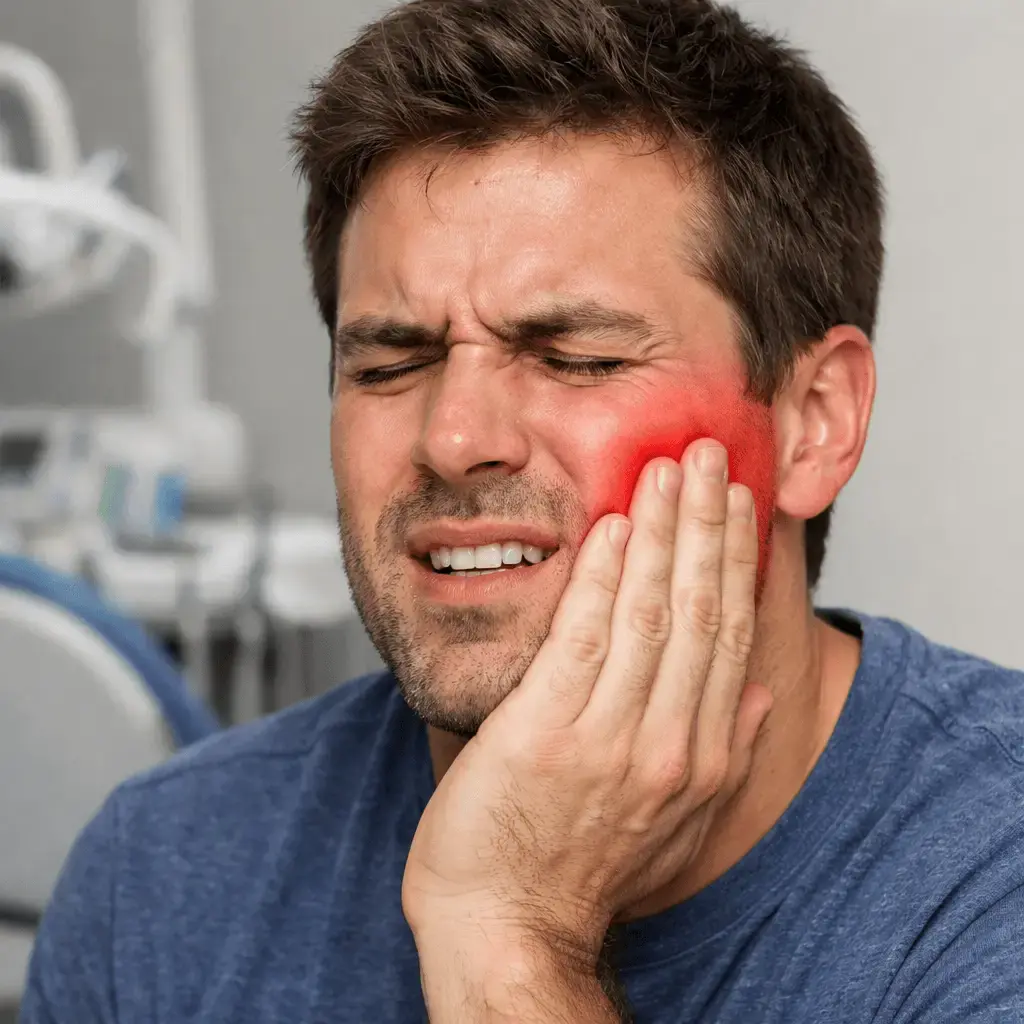
Tooth pain is one of the most disruptive pains a person can experience - and it almost always strikes at the worst possible moment. Whether it's a dull throb or a sharp, shooting pain, this guide covers the fastest home remedies for tooth pain relief and explains exactly when you should stop waiting and connect with a dentist.
Why Does Tooth Pain Happen?
Tooth pain occurs when the nerve inside your tooth — housed in a soft inner layer called the pulp — becomes irritated, infected, or exposed. The most common causes include:
- Tooth decay (cavities) — bacteria eat through enamel, exposing sensitive layers
- Cracked or chipped tooth — even hairline cracks can allow bacteria and temperature to reach the nerve
- Dental abscess — a bacterial infection that forms a pocket of pus at the root
- Gum disease — infected gums can cause pain that radiates through teeth
- Exposed tooth root — receding gums leave the root unprotected
- Sinus pressure — upper back teeth share nerve pathways with sinuses
- Grinding (bruxism) — chronic grinding wears enamel and strains the jaw
Understanding the cause matters because the right tooth pain relief depends on what's driving the pain. But while you're figuring that out, these remedies can help.
10 Fast Home Remedies for Tooth Pain Relief
None of these remedies fix the underlying problem — but they can provide meaningful relief while you arrange care.
1. Salt Water Rinse
Mix ½ teaspoon of salt in 8 oz of warm water. Swish for 30 seconds, spit. Reduces inflammation and clears bacteria around the tooth.
2. Clove Oil
Apply a drop to a cotton ball and hold against the painful tooth for 2–3 minutes. Eugenol, the active compound, is a natural anesthetic used by dentists for centuries.
3. OTC Pain Relievers
Ibuprofen (Advil) reduces both pain and inflammation. Take as directed on the label. Do not place aspirin directly on the gum — this can cause chemical burns.
4. Benzocaine Gel
Products like Orajel contain benzocaine, a topical numbing agent. Apply directly to the tooth and gum for temporary numbing relief.
5. Cold Compress
Wrap ice in a cloth and apply to your cheek for 15–20 minutes on, 20 minutes off. Reduces swelling and numbs the area.
6. Garlic Paste
Crush a clove of garlic into a paste and apply to the tooth. Allicin in garlic has antibacterial properties that can help fight infection.
7. Peppermint Tea Bag
Cool a used peppermint tea bag and press gently against the painful area. The tannins and menthol can reduce inflammation and soreness.
8. Hydrogen Peroxide Rinse
Mix equal parts 3% hydrogen peroxide and water, swish and spit (never swallow). Helps kill bacteria and reduce plaque around an infected tooth.
9. Elevate Your Head
Lying flat increases blood pressure to the head, worsening throbbing pain. Sleep with your head elevated to reduce intensity overnight.
10. Avoid Temperature Extremes
Hot and cold foods amplify nerve pain, especially with exposed roots or cracks. Stick to room-temperature foods until you're seen.
How Long Do These Remedies Last?
| Remedy |
Relief Duration |
Best For |
| Ibuprofen / OTC pain reliever |
4–6 hours |
General tooth pain, inflammation |
| Benzocaine gel (Orajel) |
1–2 hours |
Surface-level pain, exposed gum |
| Clove oil |
1–3 hours |
Nerve pain, sensitivity |
| Salt water rinse |
20–30 min |
Infection, swollen gums |
| Cold compress |
While applied |
Swelling, facial pain |
⚠ Important: Home remedies mask pain — they do not treat the underlying cause. A dental abscess, cracked tooth, or deep cavity will not heal on its own. Leaving an infection untreated can allow it to spread to the jaw, neck, or even airway, becoming a medical emergency.
When to Stop Home Remedies and Get Emergency Dental Care
Some symptoms mean you need a dentist now, not tomorrow. Contact an emergency dentist if you experience any of the following:
- Swelling of the face, cheek, or jaw
- Fever alongside tooth pain
- Pain so severe you can't sleep or eat
- A visible bump or pimple on your gum (dental abscess)
- Pain that has lasted more than 2–3 days without improvement
- Difficulty swallowing or breathing (go to the ER immediately)
- A tooth that was knocked out or cracked in an accident
Can Teledentistry Help with Tooth Pain?
Yes — and for many people in pain, it's the most important first step. A licensed Teledentistry.com dentist can:
- Confirm whether your symptoms indicate pulpitis, abscess, or another cause
- Prescribe antibiotics to start fighting the underlying infection immediately
- Prescribe stronger prescription pain relief when OTC medications aren't controlling the pain
- Walk you through exactly what procedure you need and help you find an in-person dentist
You can also use our photo analysis service to share images of your tooth so the dentist can assess visible damage before your appointment begins.
Ready to get relief? Start your virtual visit and connect with a licensed Teledentistry.com dentist in minutes.

%20(1).webp)