How to Kill Tooth Nerve Pain in 3 Seconds: What Actually Works (and What Doesn't)
Let's be honest: you found this article because you're in serious pain and you want it gone. Tooth nerve pain is one of the most intense sensations the human body can experience - it can feel electric, throbbing, and completely relentless. This guide will tell you exactly what actually works to stop it, what's a myth, and - critically, how to end nerve pain in a tooth.
Can You Kill Tooth Nerve Pain in 3 Seconds?
The short answer: you can numb tooth nerve pain almost instantly. You cannot permanently kill it without dental treatment — but you absolutely can get rapid relief that lasts hours while you arrange care.
The "3 seconds" framing reflects how quickly clove oil and topical anesthetics work when applied directly to an exposed or inflamed nerve. Let's get into the specifics.
What is the Tooth Nerve, Exactly?
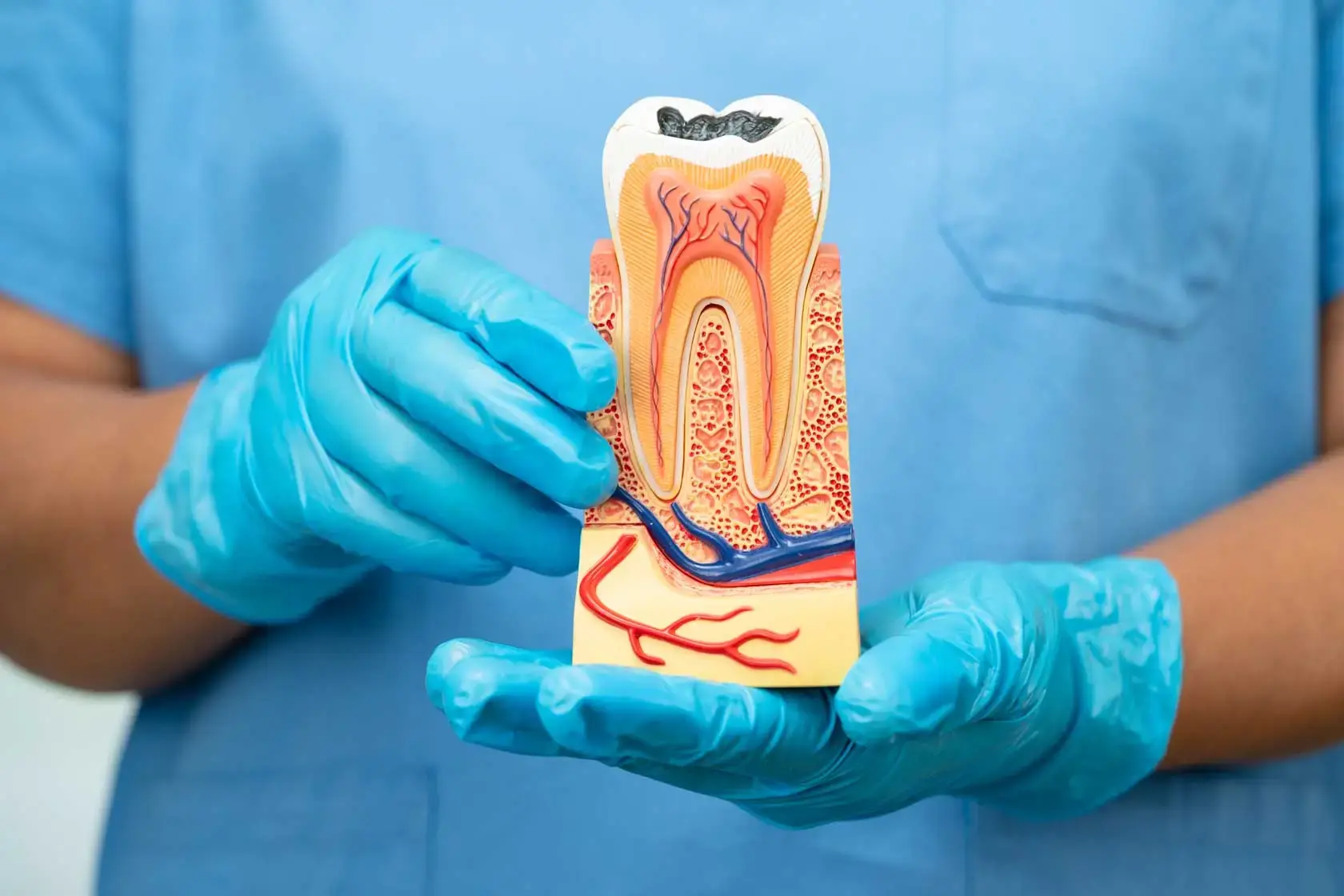
The dental pulp, located in the center of each tooth, contains blood vessels and nerve tissue. When bacteria, a crack, or deep decay reaches this pulp, the nerve becomes inflamed or infected, triggering intense pain. The only permanent solution is to either remove the infected pup (root canal) or remove the tooth entirely (extraction).
The Fastest-Acting Tooth Nerve Pain Relief
These are ranked by speed of onset and clinical effectiveness. Start from the top.
✅Clove oil (eugenol) — fastest natural option
Apply 1–2 drops to a cotton ball and press directly onto the affected tooth for 2–3 minutes. Eugenol is a natural anesthetic and anti-inflammatory that dentists have used clinically for over a century. It works by temporarily blocking the nerve signal. Onset: 30–60 seconds. Duration: 1–3 hours.
✅ Benzocaine topical gel (Orajel, Anbesol)
Apply directly to the tooth and surrounding gum with a cotton swab. This over-the-counter dental anesthetic rapidly numbs the nerve endings near the surface. Onset: under 1 minute. Duration: 1–2 hours. Reapply as needed, following package directions.
✅ Ibuprofen (Advil, Motrin) — most effective OTC option
Ibuprofen is an NSAID — it reduces prostaglandin production, which means it fights both the pain signal and the underlying inflammation driving the pain. Take 400–600mg with food. Onset: 20–30 minutes. Duration: 4–6 hours. This is particularly effective for pulpitis (infected pulp) because it attacks the inflammatory root cause
✅ Ibuprofen + Acetaminophen combination
Studies show taking ibuprofen and acetaminophen together at their standard doses is more effective than either alone for dental pain — comparable to prescription opioids in some research. Take 400mg ibuprofen + 500mg acetaminophen simultaneously. Do not exceed recommended daily limits.
🚧 Salt water rinse
Not primarily a nerve pain remedy, but helps with infected-gum pain and reduces bacteria around an abscessed tooth. Good supporting measure. Won't touch deep nerve pain on its own.
🚧 Garlic (allicin)
Crushed garlic has genuine antibacterial properties. A garlic paste applied to the tooth can reduce infection-driven inflammation over time — but onset is slow, and the effect is modest. Use as a supplement to other remedies, not a replacement.
🚧 Cold compress
Reduces swelling and numbs the area from outside. Best for pain with visible facial swelling. Less effective for deep nerve pain with no external swelling.
🚫 Whiskey / alcohol on the gum
Popular folk remedy — minimal real anesthetic effect at the concentrations used. Better options exist.
This is a myth and a danger. Aspirin is an acid — placing it against soft tissue causes chemical burns. Take aspirin orally if using it, never topically.
Myths vs. Reality: Does Anything "Permanently Kill" a Tooth Nerve at Home?
❌ Myth
"You can kill a tooth nerve permanently with clove oil."
Clove oil numbs it temporarily. The nerve is still alive and will return to full pain capacity as soon as it wears off.
✅ Reality
Clove oil provides real, meaningful temporary relief. It's what dentists use as "temporary pulp capping" between emergency visits. But it is not a cure.
❌ Myth
"If the pain suddenly stops, the tooth is healed."
Pain stopping abruptly often means the nerve has died — which can mean the infection is spreading beyond the tooth without you feeling it.
✅ Reality
A tooth that "stopped hurting" on its own still needs evaluation. Dead pulp can continue to harbor infection and spread to bone and surrounding teeth.
❌ Myth
"Antibiotics will kill the nerve pain."
Antibiotics fight bacterial infection, but they don't directly anesthetize nerve tissue. Pain relief from antibiotics takes 2–3 days as infection reduces.
✅ Reality
Antibiotics are essential when there is an active infection — they prevent spreading and eventually reduce inflammation. But you still need dental treatment to address the source.
The Only Permanent Solutions for Tooth Nerve Pain
Here's the truth: there are only three ways to permanently eliminate tooth nerve pain, and all of them require a dentist.
Root Canal Therapy
The infected pulp and nerve tissue are removed, and the canal is sealed. The tooth is preserved. This is the gold-standard treatment for pulpitis and dental abscess.
Tooth Extraction
The tooth is removed entirely. Appropriate when the tooth cannot be saved. Immediately eliminates the nerve — but requires a replacement (implant, bridge, or denture) to prevent bone loss.
Pulpotomy (Partial Nerve Removal)
In some cases, only the crown portion of the pulp is removed. Often used as a temporary measure before a full root canal, or in certain children's teeth.
How to Get Through the Night Until Your Dentist Appointment
This combination protocol gives you the best chance at a manageable night:
- Take 400mg ibuprofen + 500mg acetaminophen simultaneously (if safe for you to do both)
- Apply clove oil on a cotton ball to the tooth — leave in place for 3 minutes
- Follow with benzocaine gel (Orajel) to extend surface numbing
- Sleep with your head elevated — this reduces blood pressure to the area and lessens throbbing
- Avoid all hot, cold, sweet, or acidic foods and drinks — each can trigger intense nerve firing
- Book a virtual dental visit — a dentist can prescribe stronger prescription pain relief and antibiotics tonight
Can Teledentistry Help with Tooth Nerve Pain?
Yes — and for many people in pain, it's the most important first step. A licensed Teledentistry.com dentist can:
- Confirm whether your symptoms indicate pulpitis, abscess, or another cause
- Prescribe antibiotics to start fighting the underlying infection immediately
- Prescribe stronger prescription pain relief when OTC medications aren't controlling the pain
- Walk you through exactly what procedure you need and help you find an in-person dentist
You can also use our photo analysis service to share images of your tooth so the dentist can assess visible damage before your appointment begins.
Frequently Asked Questions
How do you kill tooth nerve pain instantly?
For the fastest onset, apply clove oil directly to the affected tooth with a cotton ball. Eugenol, the active compound, begins numbing the nerve within 30–60 seconds. Follow with benzocaine gel (Orajel) for extended surface numbing, and take ibuprofen orally to address the deeper inflammatory component. This combination provides the most immediate relief available outside a dental office.
Can tooth nerve pain go away on its own?
Sometimes the pain intensity fluctuates — especially if the nerve is dying. But the underlying infection or structural damage does not resolve without dental treatment. A tooth that "stops hurting" on its own may have a dead nerve, and the infection can continue spreading silently. Always get evaluated.
What is the strongest natural pain reliever for nerve pain in a tooth?
Clove oil (eugenol) is the strongest evidence-based natural option and is recognized by dental professionals. Applied directly to the tooth, it significantly numbs nerve activity. However, ibuprofen — available OTC — is more effective overall at managing the full inflammatory cascade that drives tooth nerve pain.
Does a root canal permanently stop tooth nerve pain?
Yes. A root canal removes the entire nerve and infected pulp tissue from the tooth and seals the canal. This permanently eliminates the source of the pain. The tooth itself remains functional — protected by a crown — but the nerve is gone and cannot cause pain again.
Is it safe to put clove oil directly on my tooth?
Yes, in small amounts applied with a cotton ball. Avoid applying it directly to gum tissue in large quantities — undiluted clove oil can cause soft tissue irritation. A single drop on a small cotton ball pressed to the tooth is the correct application method.
You May Also Like
These Related Stories

Kill Tooth Nerve Pain in 3 Seconds – What Works and What Doesn’t
.webp)
Tooth Pain Relief: Fast Remedies