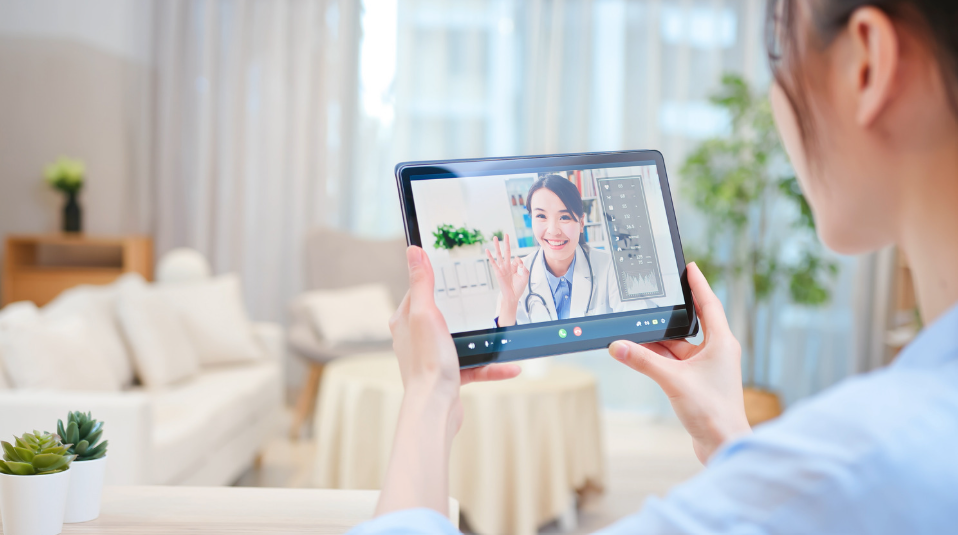
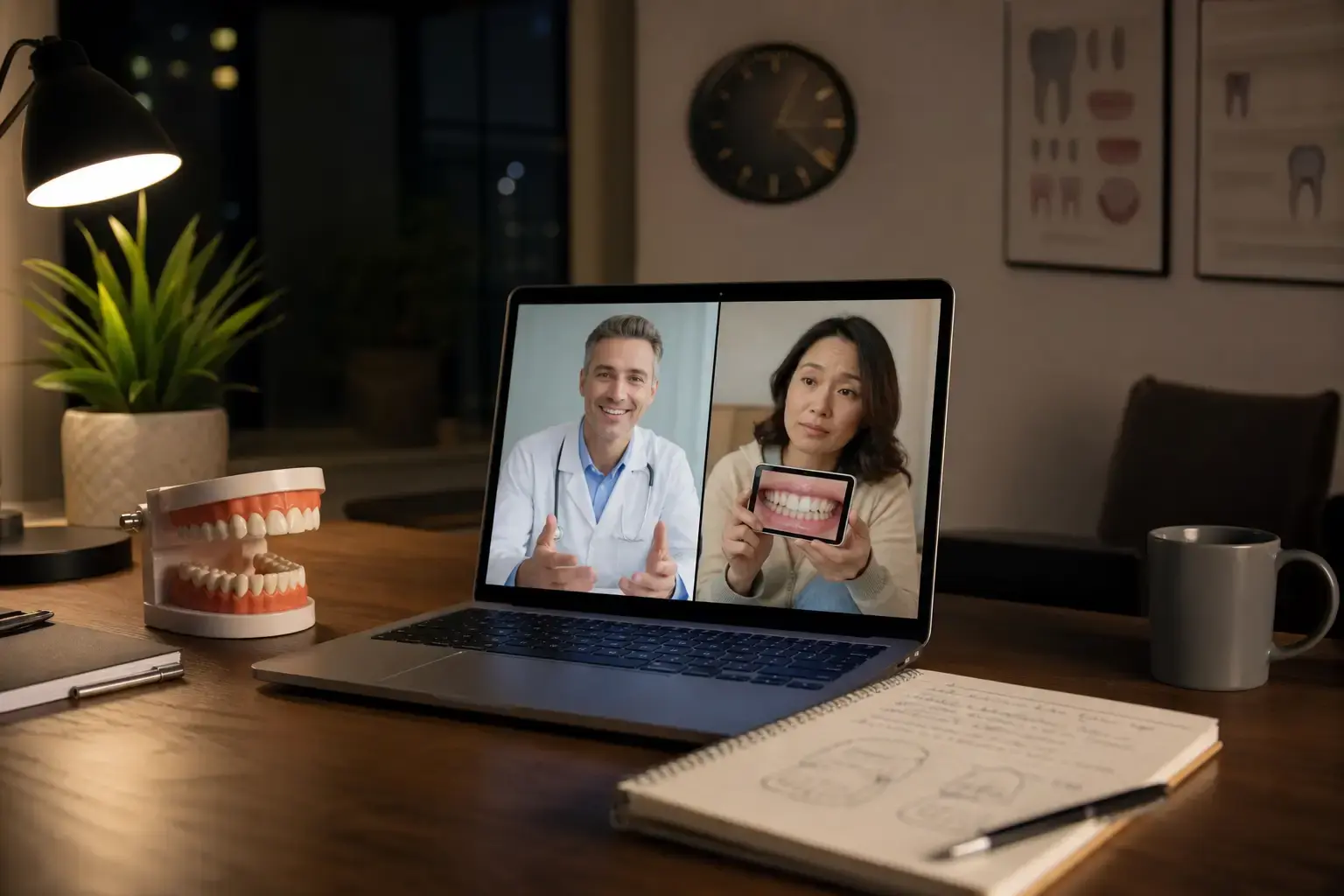
As technology transforms every corner of healthcare, dental care is no exception. Teledentistry is redefining how patients access care—offering virtual consultations, faster follow-ups, and better access for underserved areas. But how does it stack up against traditional in-person visits? Let’s break down the pros and cons of each, so you can better understand how both approaches fit into a modern dental care model.
The Case for Teledentistry
✅ Pros
- Convenience Without Compromise
Schedule consultations from your home, office, or even while traveling. For busy professionals, parents, or individuals with mobility challenges, teledentistry eliminates the need to commute or rearrange a packed schedule.
- Fast Access to Dental Advice
Whether it's a sudden toothache or post-procedure concern, patients can connect with dentists in real time to determine whether an issue requires urgent care.
- Reduced Costs
Virtual visits often cost less than in-person appointments. They also save money on travel, parking, and time away from work.
- Continuity of Care
Follow-ups for procedures like orthodontic adjustments or post-operative healing checks can often be done virtually—ensuring consistent care without extra trips.
❌ Cons
- Limited to Non-Invasive Issues
Teledentistry is ideal for consultations, check-ins, and basic assessments—but it can’t replace cleanings, fillings, or x-rays.
- Technology Requirements
Access to a smartphone, internet, or webcam is necessary, which may not be ideal for everyone.
The Role of In-Person Dental Visits
✅ Pros
- Hands-On Diagnostics and Treatment
In-person visits allow for comprehensive exams, X-rays, and treatments that simply can’t be done remotely.
- Advanced Equipment & Immediate Intervention
From ultrasonic scalers to digital imaging, many tools of the trade are only accessible in-office, ensuring timely and accurate treatment.
- Personal Interaction
Some patients feel more comfortable discussing concerns face-to-face and value the tactile reassurance of an in-person visit.
❌ Cons
- Time-Consuming
Commuting, waiting rooms, and long appointment windows can add hours to your day, especially for minor issues.
- Higher Out-of-Pocket Costs
In-office procedures may be more costly and often involve copays, treatment fees, and follow-up visits.
The Hybrid Future of Dental Care
Rather than choosing one over the other, many providers and patients are turning to a hybrid care model—combining the strengths of teledentistry and in-person visits. Initial evaluations and follow-ups can be done virtually, while hands-on procedures are reserved for office appointments. It’s a smarter, more flexible approach to dental wellness.
Teledentistry isn’t just a stopgap—it’s a strategic tool for improving access, efficiency, and patient satisfaction. At Teledentistry, we believe your dental care should meet you where you are—whether that’s a virtual consult on your lunch break or a full-service visit in the chair.
Get started with your virtual dental visit now..