How to Handle a Dental Emergency at Home

How to Handle a Dental Emergency at Home | Teledentistry.com
2:30

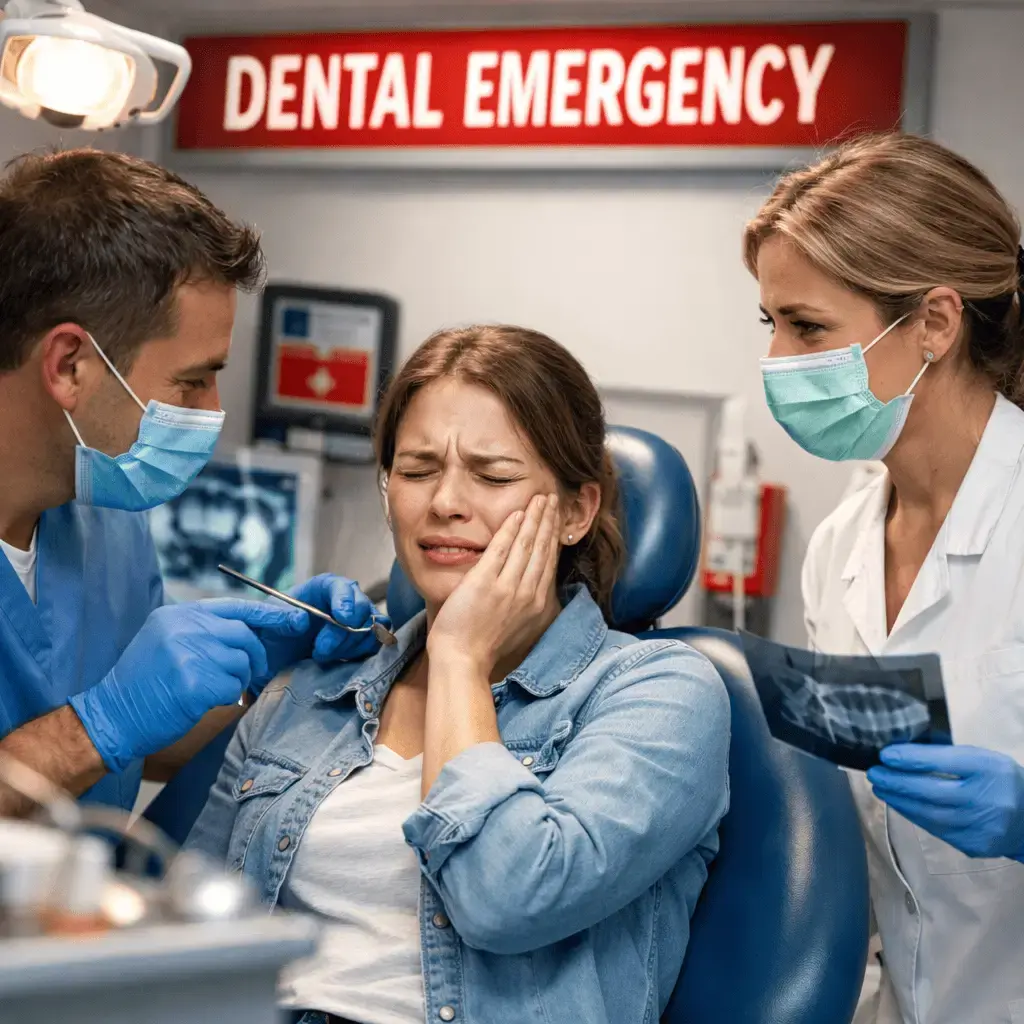
Dental emergencies don’t exactly RSVP. One minute you're enjoying popcorn on movie night, and the next—crunch—you’ve chipped a tooth. While some situations require immediate professional care, there are steps you can take at home to manage the crisis and minimize discomfort until you see a dentist.

Stay Calm and Assess the Situation

Panicking won’t help your tooth—or your nerves. Start by identifying the severity:

  • Is it bleeding?
  • Is a tooth loose, broken, or completely knocked out?
  • Is there swelling or intense pain?

Understanding what you’re dealing with can help you act efficiently.

Manage Bleeding

For injuries involving bleeding:

  • Rinse your mouth gently with warm water.
  • Apply pressure using clean gauze or a tea bag to the area for 10–15 minutes.
  • Use a cold compress on the outside of your cheek to reduce swelling.

Handle a Knocked-Out Tooth Carefully

Time is critical:

  • Pick up the tooth by the crown (not the root).
  • Rinse it gently with water—no scrubbing or soap.
  • If possible, place the tooth back in the socket and hold it there.
  • Otherwise, store it in milk or a tooth preservation solution and get to an emergency dentist within 30 minutes.

Soothe Pain and Swelling

For general pain or swelling:

  • Use over-the-counter pain relievers like ibuprofen (if you're not allergic).
  • Apply a cold compress to the cheek in 10-minute intervals.
  • Avoid hot, cold, or sugary foods until the issue is resolved.

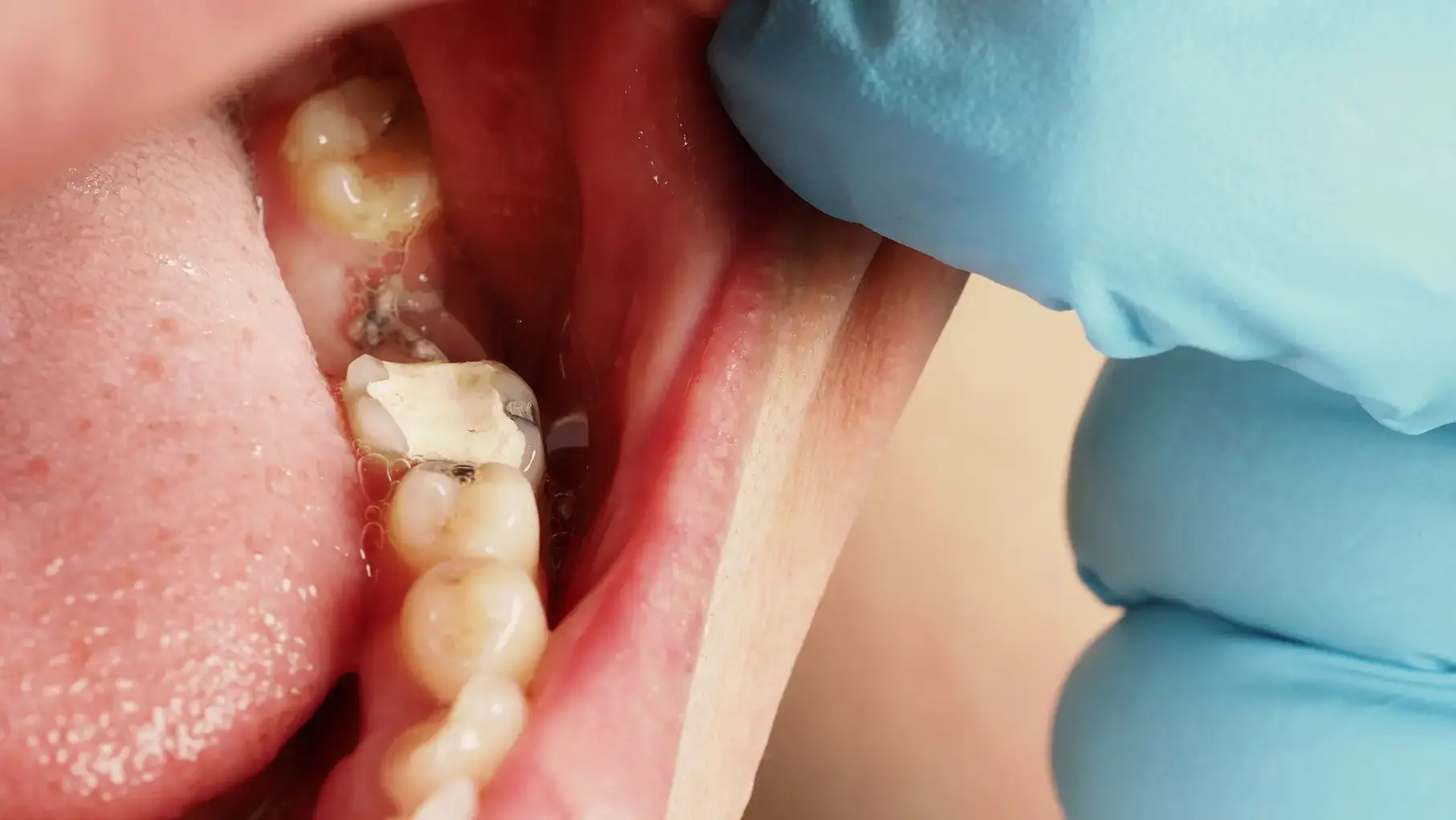
Lost Filling or Crown

  • Temporary dental cement (found at most drugstores) can help seal the area.
  • Sugar-free gum can serve as a short-term fix for lost fillings.
  • Keep the crown and bring it to the dentist for reattachment.

When to Contact the Dentist Immediately

Home care is only a stopgap. Seek urgent dental care if:

  • You can’t control bleeding
  • You suspect a jaw fracture
  • You have signs of infection (fever, pus, swelling)
  • Pain becomes unbearable

⚠️ Pro tip: Keep a small dental emergency kit at home with gauze, dental wax, temporary cement, pain relievers, and your dentist’s contact info.

When Home Care Isn't Enough

If home care doesn't resolve the issue, or you're not sure how serious your situation is, a virtual consultation with a licensed dentist at Teledentistry.com can help you figure out whether you need urgent in-person treatment, often within minutes.

Ready to experience teledentistry for yourself? Start your virtual visit and connect with a licensed dentist in minutes. 

Frequently Asked Questions

What should I do first in a dental emergency?

Stay calm and assess the situation: check whether there's bleeding, whether a tooth is loose, broken, or knocked out, and whether there's swelling or intense pain. Understanding what you're dealing with helps you act efficiently and know what kind of care you need. 

How do I handle a knocked-out tooth?

Pick it up by the crown, not the root, and rinse it gently with water without scrubbing or using soap. If possible, place it back in the socket and hold it there; otherwise, store it in milk or a tooth preservation solution and get to an emergency dentist within 30 minutes. A quick teledentistry consultation with Teledentistry.com can also help you confirm next steps while you're on your way. 

What can I use for a lost filling or crown at home?

Temporary dental cement from most drugstores can help seal the area, and sugar-free gum can work as a short-term fix for a lost filling. Keep the crown itself, and a teledentistry visit through Teledentistry.com can help you figure out how soon you need to be seen for reattachment. 

How do I stop dental bleeding at home?

Rinse gently with warm water, apply pressure with clean gauze or a tea bag for 10 to 15 minutes, and use a cold compress on the outside of the cheek to reduce swelling. If bleeding continues, a teledentistry consultation with Teledentistry.com can help you determine whether it's urgent. 

When should I go to the dentist immediately instead of treating a dental emergency at home?

Seek urgent care if you can't control bleeding, suspect a jaw fracture, notice signs of infection like fever or pus, or if pain becomes unbearable. Home care is only a stopgap for these situations, and a teledentistry consultation with Teledentistry.com can help you decide how urgently you need in-person treatment. 

What should be in a home dental emergency kit?

A basic kit should include gauze, dental wax, temporary cement, over-the-counter pain relievers, and your dentist's contact information, so you're prepared to act quickly if something happens. It's also worth bookmarking Teledentistry.com, since a teledentistry consultation is often the fastest way to get guidance in the moment. 


This article is for general informational purposes only and is not a substitute for professional dental or medical advice, diagnosis, or treatment. Always consult a licensed dentist regarding your specific symptoms or condition. A Teledentistry.com consultation can help you determine appropriate next steps.