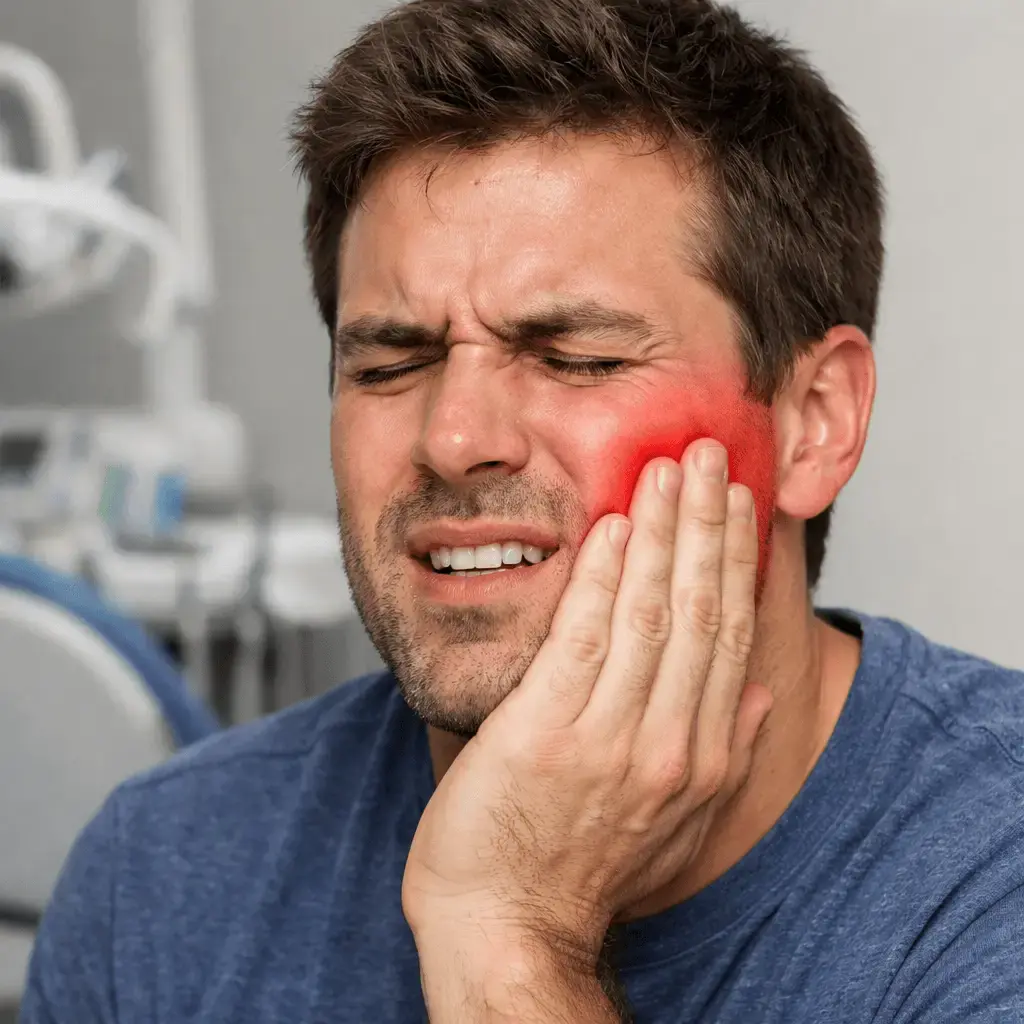
How to Relieve a Toothache at Home in 2026
A throbbing toothache can strike at the worst possible moment—late at night, on a weekend, or when you're miles from your dentist. Teledentistry.com connects you with licensed dentists 24/7, helping you get expert guidance and pain relief from home. This guide walks you through safe home remedies for toothache relief, warning signs that indicate a dental infection, and exactly when to seek emergency virtual dental care.
You'll learn which methods actually work, which to avoid, and how to make smart decisions about your dental health—even when your regular dentist isn't available.
Key Takeaways: How to Relieve a Toothache at Home in 2026
- Saltwater rinses and cold compresses are safe, effective first-line treatments for temporary toothache relief while you seek professional care.
- Over-the-counter pain relievers like ibuprofen and acetaminophen can reduce dental pain, but aspirin should never be placed directly on gums.
- Warning signs like fever, facial swelling, and difficulty swallowing indicate a dental infection that requires immediate professional attention.
- The American Dental Association recommends dental treatment over antibiotics for most toothache conditions.
- Teledentistry.com offers 24/7 access to licensed dentists who can evaluate your symptoms, guide pain management, and prescribe medications when appropriate.
What Causes Toothache Pain?
Toothache pain happens when the nerve inside your tooth—called the pulp—becomes irritated or inflamed. This sensitive tissue contains nerve endings that react intensely to damage or infection.
Common causes include tooth decay that has reached the inner layers of your tooth, cracked or chipped teeth, gum disease, infected dental pulp, loose fillings, and food trapped between teeth. Understanding the cause helps you choose the right approach to relief.
The pain may feel sharp and sudden when you bite down, or it may present as a constant dull ache that radiates to your jaw, ear, or neck. Some people experience increased sensitivity to hot, cold, or sweet foods and drinks.
How Do Saltwater Rinses Help a Toothache?
A saltwater rinse is one of the safest and most effective home remedies for temporary toothache relief. Salt acts as a natural disinfectant that helps reduce bacteria in your mouth and loosen debris stuck between teeth.
To make a saltwater rinse, dissolve half a teaspoon of table salt in eight ounces of warm water. Swish the solution gently around your mouth for 30 seconds to one minute, then spit it out. You can repeat this several times throughout the day, especially after meals.
The warm water also helps soothe inflamed gum tissue and can draw out some of the fluid causing swelling. This simple remedy has been recommended by dental professionals for generations because it's gentle, accessible, and carries virtually no risk of side effects.
Which Over-the-Counter Pain Relievers Work for Tooth Pain?
Nonsteroidal anti-inflammatory drugs (NSAIDs) like ibuprofen and naproxen are your first line of defense against dental pain. These medications reduce both pain and inflammation, addressing the root cause of your discomfort.
Acetaminophen (Tylenol) is another option that works well for pain relief, though it doesn't reduce inflammation. For children, acetaminophen is often the recommended choice—always use age-appropriate formulas and dosages.
What You Should Avoid
Never place aspirin directly on your tooth or gums. This folk remedy can cause chemical burns to your soft tissue, making your situation worse. Instead, swallow pain relievers with water as directed on the package.
Follow the recommended dosages carefully and don't exceed the maximum daily amount. If over-the-counter medications aren't controlling your pain, that's a signal you need professional dental care.
How Does a Cold Compress Reduce Toothache Pain?
Applying a cold compress to the outside of your cheek near the painful tooth can reduce swelling and numb the area temporarily. Cold causes blood vessels to constrict, which decreases inflammation and slows nerve signals that transmit pain.
Wrap an ice pack or bag of frozen vegetables in a thin cloth to protect your skin. Apply it to the affected area for 15 to 20 minutes at a time. You can repeat this every few hours during the first 24 to 36 hours after pain begins.
Cold compresses work particularly well if you've chipped a tooth, knocked it loose, or notice swelling in your face or jaw. The visible swelling could indicate an abscess—a pocket of pus caused by bacterial infection—which requires professional treatment.
Is Clove Oil an Effective Toothache Remedy?
Clove oil contains eugenol, a natural compound with anesthetic and antibacterial properties. Research suggests it may be as effective as benzocaine—the numbing ingredient found in many over-the-counter dental gels—for temporary pain relief.
To use clove oil safely, apply a small amount to a cotton swab and gently dab it on the affected tooth and surrounding gum tissue. Avoid swallowing the oil and don't apply too much, as eugenol can irritate soft tissue in high concentrations.
You can find clove oil at most pharmacies and health food stores. It's meant for short-term use only while you arrange to see a dental professional for proper diagnosis and treatment.
Do OTC Dental Numbing Gels and Liquids Work?
Over-the-counter dental gels and liquids containing benzocaine can numb your mouth temporarily. Apply these products directly to the sore tooth and nearby gums following package directions.
These products are designed for short-term relief—usually just long enough to get you through until you can see a dentist. Using them repeatedly to avoid professional care can allow underlying problems to worsen.
Exercise caution with benzocaine products. The FDA has warned against using benzocaine in children under two years old due to the risk of a rare but serious condition called methemoglobinemia. Always read labels carefully and consult a healthcare professional if you have concerns.
What Are the Warning Signs of a Dental Infection?
A dental infection is a serious condition that can spread beyond your tooth to your jaw, neck, or other parts of your body. Recognizing the warning signs early can help you get treatment before the infection becomes dangerous.
Symptoms That Require Professional Attention
Contact a dentist promptly if you experience severe, persistent, throbbing pain that radiates to your jawbone, neck, or ear. Other concerning symptoms include sensitivity to hot and cold temperatures, pain when chewing or biting, and tender or swollen lymph nodes under your jaw.
Facial or cheek swelling is a significant warning sign. If you notice a visible bump on your gums that looks like a pimple, you may have an abscess that needs to be drained professionally.
Emergency Symptoms That Can't Wait
Seek emergency care immediately if you develop fever along with dental pain, as this indicates the infection may be spreading. Difficulty breathing or swallowing is especially serious—these symptoms suggest the infection could be affecting your airway.
A sudden rush of foul-tasting fluid in your mouth might mean an abscess has ruptured. While this may temporarily relieve pressure and pain, you still need professional treatment to clear the infection completely.
What Does the American Dental Association Say About Antibiotics for Toothaches?
The American Dental Association's clinical guidelines recommend against using antibiotics for most pulpal and periapical dental conditions. Instead, the ADA advises dental treatment combined with over-the-counter pain relievers like acetaminophen and ibuprofen.
This guidance exists because antibiotics don't address the source of dental pain—they can't repair a cavity, drain an abscess, or fix a cracked tooth. Dental treatments such as pulpotomy, root canal therapy, or incision and drainage are more effective at resolving these issues.
Antibiotics become appropriate when your condition progresses to systemic involvement, showing signs like fever or general malaise. A qualified dental professional can determine whether your situation warrants antibiotic therapy.
When Should You Go to the Emergency Room for Tooth Pain?
The emergency room is appropriate for dental problems when they pose an immediate threat to your health. ER physicians can stabilize serious infections and manage acute symptoms, though they typically can't perform definitive dental treatments.
Situations That Warrant an ER Visit
Head to the emergency room if you have facial or jaw swelling that's spreading rapidly, especially if it affects your ability to open your mouth. Difficulty swallowing or breathing requires immediate emergency care—these symptoms can indicate a life-threatening infection called Ludwig's angina.
High fever (above 100.4°F) combined with dental pain suggests the infection has spread beyond your tooth. Uncontrollable bleeding from your mouth, severe trauma to your face or jaw, and a visible abscess that's affecting your eye or neck also require emergency attention.
When an ER Visit Isn't Necessary
For toothaches without these severe symptoms, an emergency room visit often isn't the most effective choice. ER staff can prescribe pain medications and antibiotics but usually cannot address the underlying dental problem.
Instead, Teledentistry.com gives you 24/7 access to licensed dentists who specialize in evaluating dental symptoms. Through live video consultations, you can get a professional assessment, pain management guidance, and prescriptions for antibiotics or pain medication when clinically appropriate—all from home.
How Does Virtual Dental Care Work for Toothache Emergencies?
Virtual dental care connects you with licensed dentists through secure video calls and photo evaluations. This approach allows dental professionals to assess your symptoms, review your dental history, and recommend appropriate next steps without requiring you to leave home.
What to Expect During a Virtual Dental Consultation
During a Teledentistry.com consultation, a state-licensed dentist will ask about your symptoms, pain level, and medical history. You may be asked to show the affected area using your phone or computer camera, and the dentist might request that you upload clear photos of your teeth for a more detailed evaluation.
Based on this assessment, the dentist can help you understand what's likely causing your pain, recommend appropriate home care measures, and determine whether you need urgent treatment. If medications would help, the dentist can send prescriptions for pain relievers or antibiotics directly to your pharmacy.
Benefits of 24/7 Virtual Dental Access
Teledentistry.com connects you with expert dental professionals at any hour—nights, weekends, and holidays included. This eliminates the anxiety of wondering whether your toothache constitutes a true emergency or can safely wait until morning.
The convenience factor matters too. You avoid time spent traveling to urgent care facilities, sitting in busy waiting areas, and potentially exposing yourself to other illnesses. Virtual consultations typically take less time than traditional emergency visits while still delivering personalized professional guidance.
What Home Remedies Should You Avoid for Toothache Pain?
Not every popular toothache remedy is safe or effective. Some can actually make your situation worse or delay necessary treatment.
Methods That Don't Work or Cause Harm
Avoid placing aspirin directly on your tooth or gums—this can cause painful chemical burns to your mouth tissue. Alcohol rinses, while sometimes suggested as home remedies, can irritate already inflamed tissue and don't address the cause of your pain.
Be cautious with garlic paste and other unverified home treatments. While garlic has some antibacterial properties, applying it directly to dental tissue can cause irritation, and no quality evidence supports its effectiveness for toothache relief.
Skip any remedy that promises to "kill the nerve" or offer permanent relief at home. These claims are unrealistic and potentially dangerous. Dental nerves that are causing pain require professional treatment—either root canal therapy to save the tooth or extraction if the tooth can't be saved.
How Can You Prevent Toothaches in the Future?
Prevention remains your most powerful tool against dental pain. Good oral hygiene habits can help you avoid most toothache-causing conditions.
Daily Oral Care Essentials
Brush your teeth at least twice daily with fluoride toothpaste, spending two full minutes each time. Use dental floss or an interdental cleaner once daily to remove food particles and plaque from between your teeth where your toothbrush can't reach.
Replace your toothbrush every three to four months, or sooner if the bristles become frayed. Consider using an antiseptic or fluoride mouth rinse for additional protection against decay.
Lifestyle Factors That Affect Dental Health
Limit sugary foods and drinks, which feed the bacteria that cause cavities. When you do consume sugar, rinse your mouth with water afterward and wait at least 30 minutes before brushing (brushing immediately after acidic foods can damage enamel).
If you grind your teeth at night, ask your dentist about a custom mouthguard. Teeth grinding can crack teeth and wear down enamel over time, eventually causing pain and sensitivity.
Regular Professional Care
Schedule dental checkups and professional cleanings at least twice yearly. Your dentist can spot developing problems before they become painful emergencies and apply protective treatments like sealants and fluoride.
Teledentistry.com also offers routine checkups via live video, making it easier to maintain regular dental care even with a busy schedule. Catching small issues early means simpler, less expensive treatments—and far less pain.
What Should You Do Right Now If You Have a Toothache?
If you're dealing with tooth pain right now, here's a step-by-step approach to finding relief and getting the care you need.
Immediate Steps for Pain Management
Start with a warm saltwater rinse to clean the area and reduce bacteria. Take an over-the-counter pain reliever like ibuprofen according to package directions. Apply a cold compress to the outside of your cheek if you notice any swelling.
Gently floss around the painful tooth to remove any trapped food that might be causing pressure. Avoid very hot or cold foods and drinks if the tooth is sensitive, and try to chew on the opposite side of your mouth.
Assess Whether You Need Immediate Care
Check yourself for warning signs of infection: fever, facial swelling, difficulty breathing or swallowing, or swollen lymph nodes. If you have any of these symptoms, seek emergency care right away.
If your pain is severe but you don't have emergency symptoms, a virtual consultation can help you determine the best next steps. Teledentistry.com lets you connect with a licensed dentist within minutes, any time of day or night, to get professional guidance on managing your pain and treating the underlying cause.
In Conclusion: Getting the Right Care for Toothache Relief
Toothache relief starts with understanding your options. Safe home remedies like saltwater rinses, cold compresses, and over-the-counter pain relievers can help you manage discomfort temporarily. Knowing the warning signs of dental infection ensures you seek care before a minor problem becomes a health emergency.
The key is connecting with professional dental care as soon as possible. Whether through your regular dentist, an emergency room for life-threatening symptoms, or Teledentistry.com's 24/7 virtual consultations, getting an expert evaluation helps you make informed decisions about your treatment.
Don't let tooth pain disrupt your life longer than necessary. With the right combination of home care and professional guidance, you can find relief and protect your long-term dental health.
FAQs About How to Relieve a Toothache at Home in 2026
How long should I wait before seeing a dentist for a toothache?
You should contact a dental professional if your toothache lasts more than one to two days, worsens over time, or is accompanied by fever or swelling. Teledentistry.com offers 24/7 virtual consultations with licensed dentists who can evaluate your symptoms immediately and recommend the appropriate level of care.
Can I use hydrogen peroxide to rinse for toothache relief?
Yes, a diluted hydrogen peroxide rinse may help reduce bacteria and inflammation temporarily. Mix equal parts 3% hydrogen peroxide with water, swish for 30 seconds, then spit completely. Never swallow hydrogen peroxide. Follow with a plain water rinse. This remedy is meant for short-term use only.
What's the difference between a toothache and a dental abscess?
A toothache is general pain in or around a tooth from various causes. A dental abscess is a specific bacterial infection that creates a pocket of pus near the tooth root. Teledentistry.com helps you distinguish between these conditions through virtual evaluations—abscess symptoms like fever, swelling, or a visible bump on your gums require professional treatment to drain the infection.
Is it safe to take ibuprofen and acetaminophen together for tooth pain?
Many dental professionals recommend alternating ibuprofen and acetaminophen for severe dental pain because they work through different mechanisms. However, you should confirm this approach with a healthcare professional who can review your medical history. Teledentistry.com's licensed dentists can advise on pain management strategies tailored to your situation.
Can virtual dental care prescribe antibiotics for my toothache?
Yes, when clinically appropriate. Through Teledentistry.com's live video consultations, licensed dentists can evaluate your symptoms and prescribe antibiotics or pain medications if needed. Following ADA guidelines, dentists typically recommend dental treatment over antibiotics for most conditions, but antibiotics may be prescribed when infection shows signs of spreading.
What should I do if my toothache gets worse at night?
Toothaches often intensify at night because lying down increases blood flow to your head, putting more pressure on sensitive tooth nerves. Elevate your head with extra pillows and take an appropriate over-the-counter pain reliever. If you need professional guidance at 3 AM, Teledentistry.com connects you with a licensed dentist who can assess your situation and recommend treatment.
Are there any toothache remedies that work instantly?
No remedy offers truly instant permanent relief—any treatment takes some time to work. Over-the-counter numbing gels containing benzocaine work relatively quickly for temporary relief, and cold compresses can numb the area within minutes. For faster professional guidance, Teledentistry.com connects you with dentists who can recommend the most effective pain management approach for your specific situation.
You May Also Like
These Related Stories

Top 8 Reasons Same-Week Dental Visits Are Hard to Get

Urgent Dental Care Online: How to See an Emergency Dentist Fast