In rural communities, access to quality dental care has long been a challenge. With fewer providers, long travel times, and higher costs, residents often face barriers that impact their oral and overall health. But thanks to advances in digital health solutions, teledentistry is transforming how rural Americans receive care—breaking down obstacles and delivering expertise where it’s needed most.
The Rural Dental Gap: A Long-Standing Challenge
Millions of Americans in rural areas live in “dental deserts”—regions with limited or no access to practicing dentists. This lack of care leads to:
- Higher rates of untreated cavities and gum disease
- Delays in treatment that escalate into costly emergencies
- Preventable oral health problems in children and elderly populations
Traditional care models often can’t keep up with the unique demands of these communities. That’s where teledentistry steps in.
Bridging Distance With Technology
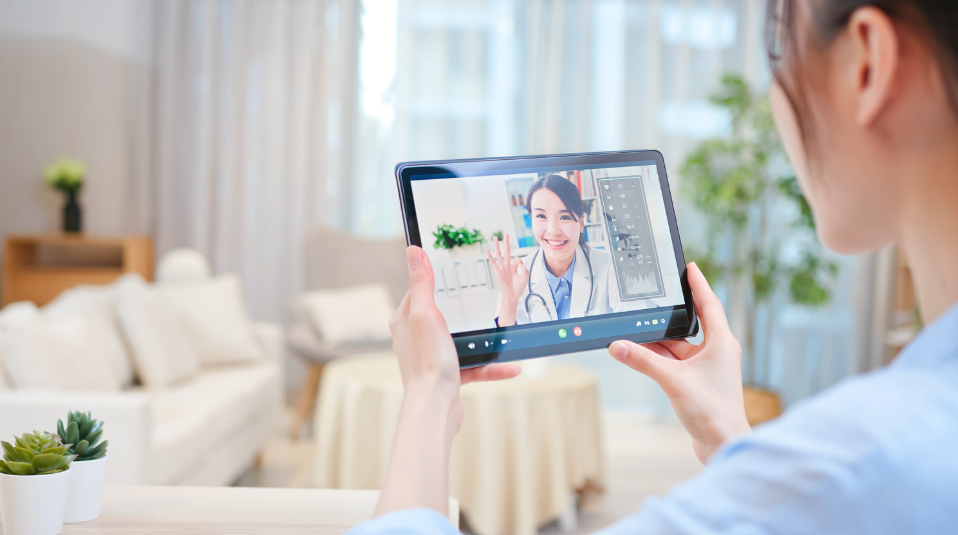
Teledentistry uses secure video conferencing, digital imaging, and mobile apps to bring dental consultations directly to patients—no matter how remote the location. For rural residents, this means:
- Virtual access to licensed dental professionals
- Quicker evaluations of symptoms and concerns
- Remote monitoring and follow-up care without the need for travel
Some programs even partner with schools and community centers, offering mobile kits that allow hygienists to gather diagnostic images for virtual analysis by dentists.
Making Care More Affordable
For many rural families, cost is a significant barrier. Teledentistry helps reduce:
- Travel expenses for distant office visits
- Time off work or school
- Out-of-pocket fees through affordable consults or tele-triage programs
By catching problems early and reducing emergency room visits for dental issues, teledentistry can lead to significant long-term savings.
Supporting Vulnerable Populations
Teledentistry is especially impactful for:
- Children in school-based health programs
- Elderly patients in assisted living or at home
- Patients with disabilities or mobility challenges
By making it easier to schedule routine check-ups and get expert advice, teledentistry improves outcomes for those who’ve historically had the hardest time getting care.
Building a Smarter, Healthier Future
Far from a temporary solution, teledentistry is becoming a permanent fixture in rural healthcare. As broadband access improves and communities embrace digital health tools, the result is a more resilient, inclusive dental care system.
At Teledentistry, we’re proud to support rural communities with technology that brings dental expertise closer than ever before. With Teledentistry, a healthier smile is just a click away—no matter your zip code. Learn more: here